19. June 2026
Why Rhyming Stories Help Children Learn to Read - And why I wrote one for my Son
By D. L. Willowlight
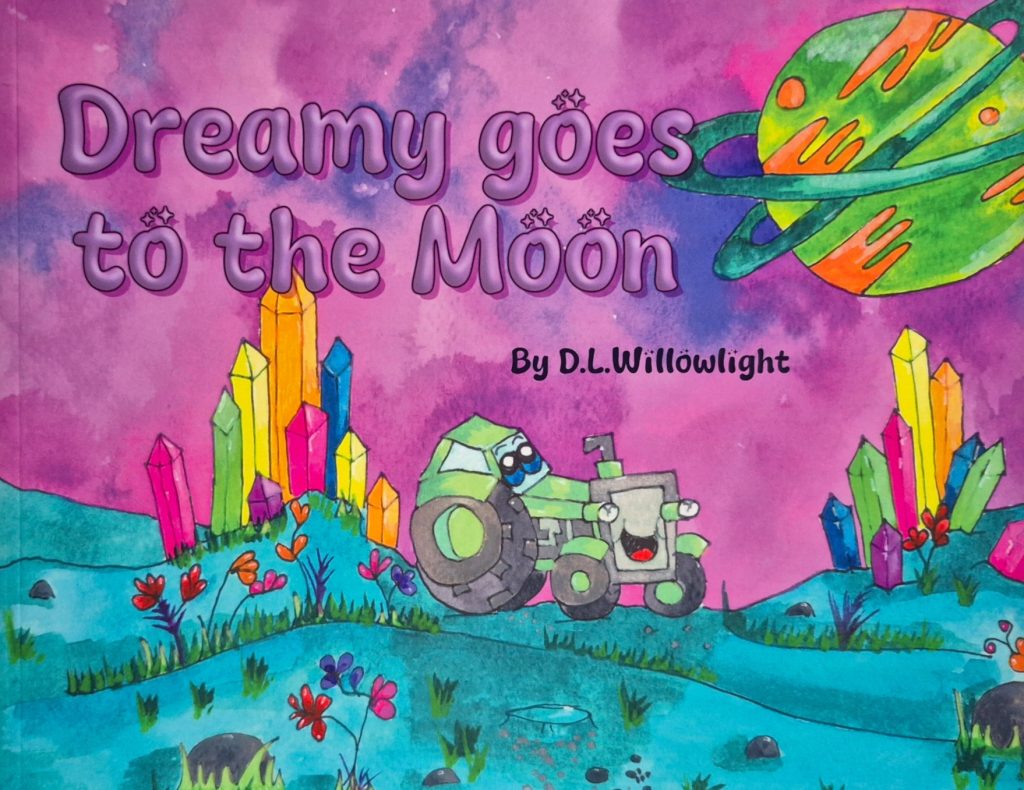
When I first wrote Dreamy Goes to the Moon, I never imagined I would become a children’s author. I wrote it for one little boy. My son.
It all began with his imagination. He came to me with an idea, full of excitement, and I wanted to turn that spark into something he could hold in his hands. Something he could enjoy. Something he could learn from. At the time, he was just beginning to explore words, sounds and stories. I wanted to create something magical, colourful and educational.
That is why I chose rhyming couplets.
Before children can read, they need to hear how language works. They need to hear patterns. Rhyming stories help children recognise repeated sounds, predict endings and feel the rhythm. These skills build phonological awareness, the foundation of reading.
They also boost memory and confidence. Children remember rhyming lines more easily, and when they can guess the final word, they feel clever and proud. That little moment of success matters so much in early reading.
Rhyming stories make reading joyful. Reading should never feel like work. When my son heard the rhythm of the lines, he lit up. He wanted to turn the page. He wanted to hear what came next. That joy is what keeps children reading.
They also expand vocabulary naturally. New words appear in predictable patterns, and children learn their meaning through context, repetition and sound association. It is learning disguised as fun.
It fuels imagination. There is something magical about rhythmic storytelling. It invites children to picture the world, anticipate the adventure and feel part of the journey.
That is exactly what I wanted for my son. A story that made him dream big. A story that carried him beyond the ordinary. A story filled with wonder.
That is why I created Dreamy Goes to the Moon. A gentle, imaginative adventure ready to inspire little dreamers everywhere. You can find Dreamy’s adventure in my shop below.